Examining Gradual Shifts in Daily Habits
An educational exploration of how consistent daily patterns influence physiological adaptation and body composition. This resource presents evidence-based information about habit formation, routine consistency, and their biological significance.
Educational content only. No medical services. No promises of outcomes.

Introduction to Physiological Adaptation Through Repetition
The human body responds to consistent behavioural patterns through a complex process of physiological adaptation. When daily routines are maintained over time, the body's regulatory systems—including energy metabolism, hormone cycles, and neural pathways—adjust to accommodate these repeated actions.
This adaptation occurs gradually, shaped by the frequency and consistency of behaviours rather than intensity alone. Understanding these mechanisms provides insight into how routine choices influence overall body function and composition.
Explore Further
Everyday Behavioural Patterns and Energy Systems
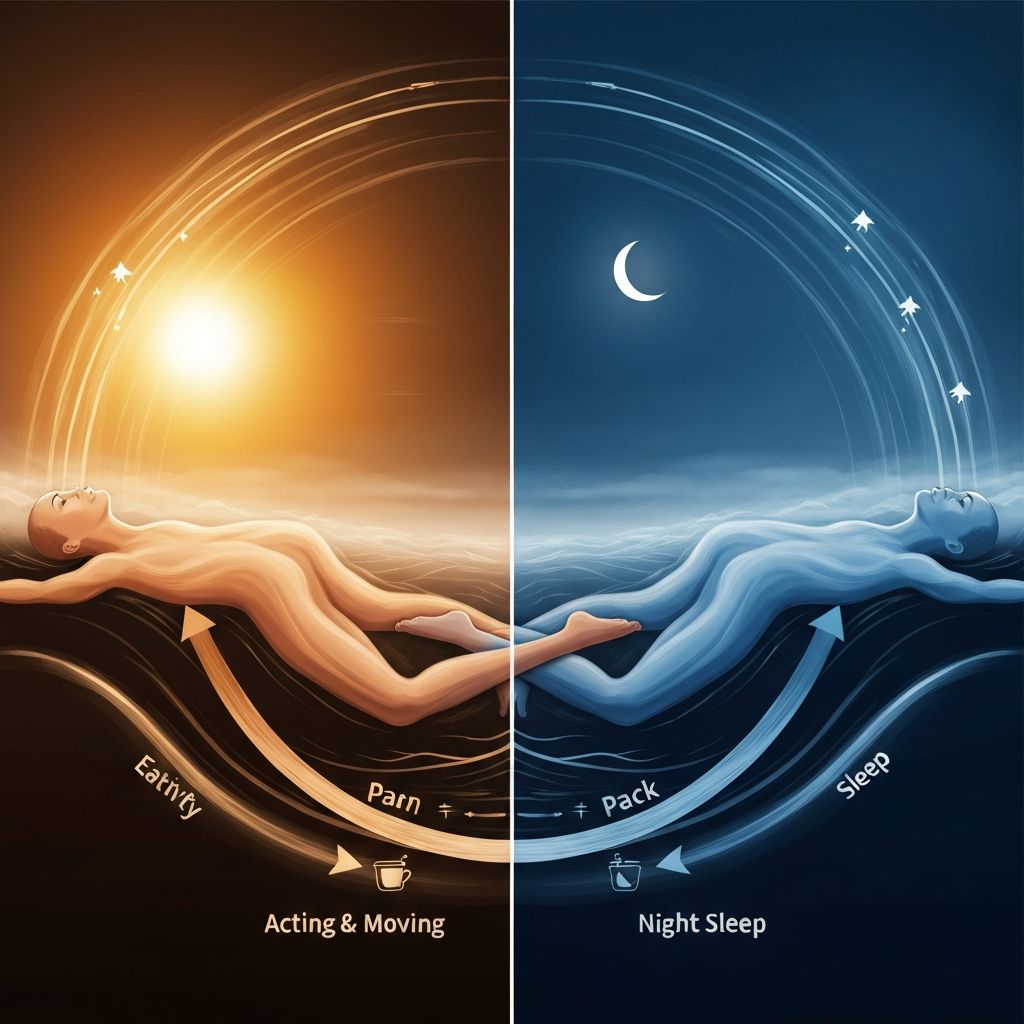
Daily routines create predictable patterns that influence how the body regulates energy. Movement cycles, eating schedules, sleep timing, and activity levels establish feedback loops in the nervous and endocrine systems.
The consistency of these patterns—not just individual actions—determines how effectively the body adapts. Repeated behaviours signal to physiological systems that certain energy demands are expected, leading to gradual adjustments in baseline metabolism and hormone production.
These observations form the foundation of understanding how lifestyle consistency relates to body dynamics and overall physiological equilibrium.
Neurophysiological Basics of Habit Loops
Habits form through a neurological mechanism involving the basal ganglia, cortex, and reward systems. Repetition strengthens neural pathways, making certain behaviours automatic and requiring less conscious effort over time.
The Habit Loop Structure
Every habit consists of three components: a cue or trigger, the routine or behaviour itself, and a reward or reinforcement. This loop repeats and strengthens through consistency.
Neural Pathway Development
With repetition, neural pathways associated with specific behaviours become more efficient. The brain allocates fewer cognitive resources to automated routines, allowing attention to focus elsewhere.
Reward System Integration
The brain's reward system reinforces behaviours through dopamine signalling. Positive associations strengthen habit formation and increase the likelihood of behaviour repetition.
Consistency and Automaticity
Consistent repetition over weeks and months leads to behaviour becoming automatic. This reduces reliance on willpower and creates stable, predictable daily patterns.
Common Misunderstandings About Routine and Physiology
Myth 1: Speed produces results. Physiological adaptation requires consistency over time, not rapid changes. Gradual shifts are more sustainable and better aligned with how the body actually functions.
Myth 2: All routines produce identical outcomes. Individual factors—genetics, age, existing health status, environmental context—create variation in physiological responses. No single routine is universally optimal.
Myth 3: Behaviour change requires willpower alone. Environmental design, habit stacking, and understanding motivation sources are more effective than relying on discipline alone.
Myth 4: Short-term intensity replaces long-term consistency. The body responds to patterns and repetition. Sporadic intense efforts produce less adaptation than steady, modest consistency.

Latest Articles
Explore in-depth examinations of how habits influence physiology and body dynamics.

How Repeated Behaviours Influence Energy Regulation
A detailed explanation of the physiological mechanisms by which consistent daily actions affect energy metabolism and hormonal balance.
Read Article
Daily Routines and Physiological Equilibrium
How predictable daily patterns establish baseline physiological states and support the body's regulatory systems.
Read Article
Small Adjustments and Their Place in Body Dynamics
An exploration of how modest changes in routine can ripple through physiological systems over time.
Read ArticleFrequently Asked Questions
Research suggests habit formation varies widely, typically ranging from 18 to 254 days depending on the complexity of the behaviour, individual differences, and consistency of repetition. There is no universal timeline—consistency matters more than duration.
Yes. Repeated behaviours influence hormone production, nervous system regulation, metabolic baseline, and body composition over time. These changes reflect the body's adaptation to consistent patterns rather than direct effects of individual actions.
The body adapts to patterns and signals. Consistent repetition provides clear, repeated input to physiological systems, allowing them to establish new equilibrium states. Sporadic intense efforts lack the consistency needed for sustained adaptation.
No. Genetics, age, health status, environment, and individual differences in hormone sensitivity create variation in physiological responses. Educational understanding acknowledges this diversity without claiming universal outcomes.
TheHabitShift is purely educational, exploring the science of habits and physiology. It is not medical advice, not a service, not a programme, and makes no promises about outcomes. Individual circumstances vary, and professional consultation is appropriate for personal health decisions.
Explore the Science of Daily Habits
Learn how physiological systems respond to consistent daily patterns and what the research reveals about habit formation and body adaptation.
Observe More